ONG HUI FERN
Showing posts with label Bab 5. Show all posts
Showing posts with label Bab 5. Show all posts
Sunday, 12 July 2020

Wednesday, 27 May 2020
Jirim KSSM sains tingkatan 1
Pengenalan Jirim Bahagian 1
Cikgu Kamoo
Pengenalan Jirim Bahagian 2
Cikgu Kamoo
NOTA BAB 5 JIRIM || SAINS TINGKATAN 1 || Fred Kisel
Amirah Rahaman
Saturday, 23 May 2020
Wednesday, 18 July 2018
AIR ( WATER)
Sunday, 8 July 2018
Plasma
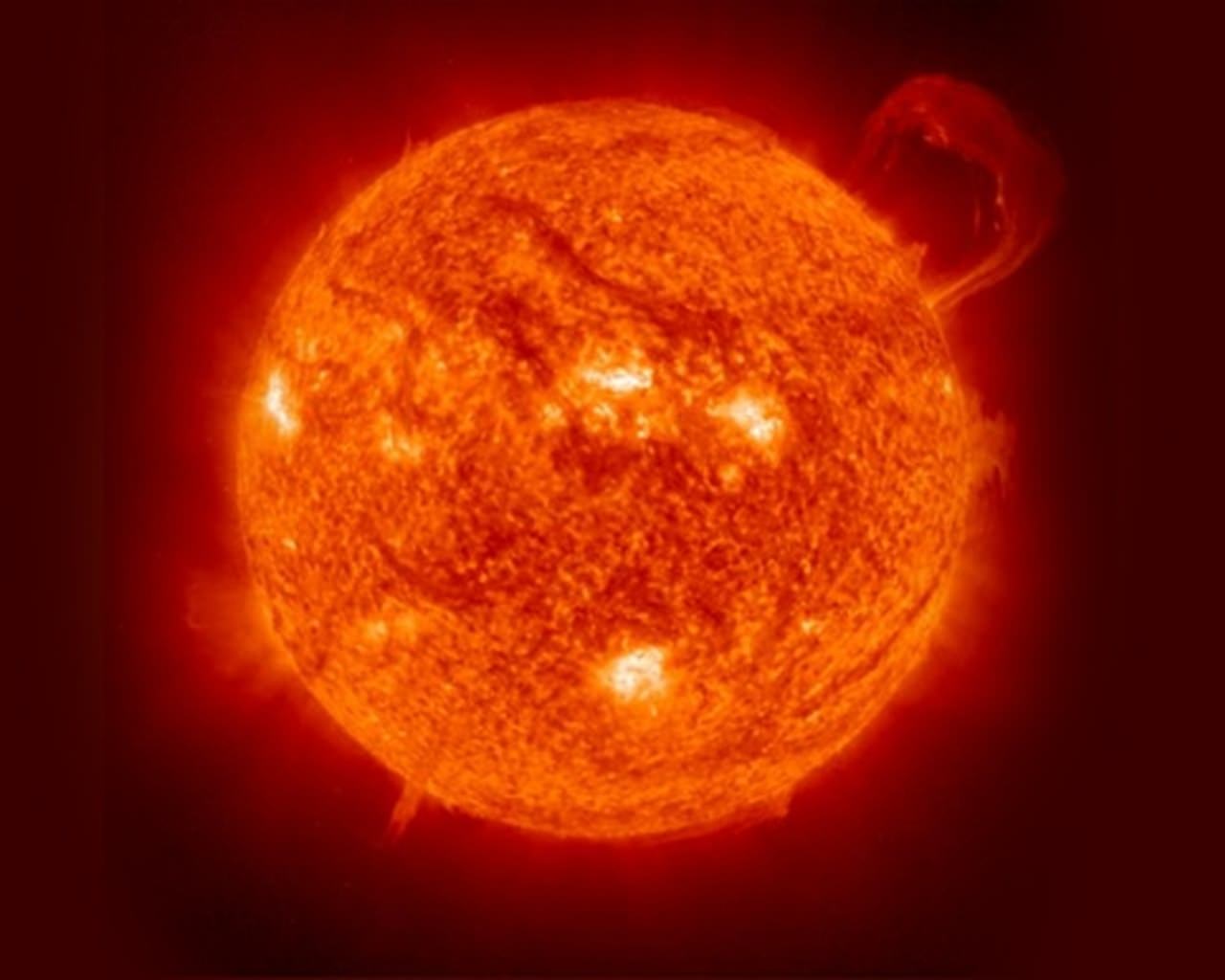
plasma - the fourth state of matter, when learning about properties of matter.
When ice is sufficiently heated, it melts to form water. It has therefore undergone a change of state – from a solid to a liquid. Recall that in a solid, all of the particles are closely packed in a fixed position, and therefore has a fixed shape and volume. The particles in a liquid are still touching one another and are able to move around one another, therefore, a liquid still has a fixed volume but takes the shape of their container. Water evaporates from a liquid to a gas. The particles in a gas are further away from one another and take the shape and volume of their container. For certain substances, if we continue to apply heat to their gaseous form, another change of state could occur. These substances can go from a gas to a state of matter called plasma. For this change of state to occur, very strong heat must be applied. When heat is sufficiently strong, the electrons are stripped from their respective atoms, creating free electrons and positive ions. Although there are both negative and positive particles, overall, plasma is neutral as there are equal amounts of oppositely charged particles. Because there are free electrons, substances in a plasma form can conduct electricity. This is what separates a gas from plasma – gases cannot conduct electricity, but plasma can. Naturally occurring plasma include lightning and the Northern lights. Stars also exist in plasma form – in fact stars are just really hot balls of plasma. Plasma can be found in fluorescent light bulbs and neon signs. When an electrical current is passed through the mercury vapour in fluorescent light bulbs and certain noble gases in neon signs, it heats up the gases sufficiently to strip the electrons and create plasma. The technology actually goes even further beyond light bulbs and neon signs. Plasma screen TVs are made possible due to this state of matter. A plasma screen is made of many thousands of tiny dots called pixels, which are made of three fluorescent light electrodes, emitting the colours red, green, and blue. The combination of these colours can give any possible colour, which is why we can see all colours on these screens. The higher the number of pixels, the higher the definition, and the images will appear “sharper” and more detailed.
Thursday, 21 July 2016
Candle trick
Fire and Water Magic Trick
Cover the flame with a glass. When the flame burns out, water will rush into the glass, raising the level of liquid.
Do you know how it works? The heat of the flame raises the temperature of the gases trapped in the glass, causing them to push outward against the liquid. When the flame is extinguished, the temperature of the gas falls, lowering the pressure and allowing the water to flow into the glass.
CSAV Hawaii: Best Science Magic Trick Candle & Water
CSAV Hawaii: Best Science Magic Trick Candle & Water
Tuesday, 12 July 2016
Oksigen dan Karbon Dioksida
Ujian Air Kapur


Keterlarutan dalam Natrium Hidroksida

Ujian Penunjuk Bikarbonat

Ujian Kertas Litmus

Ujian Kayu Uji Menyala

Ujian Kayu Uji Berbara

.
Friday, 12 July 2013
[Sains Tingkatan 2] Air (water)

Komposisi air
1 molekul air mengandungi 1 atom oksigen dan 2 atom hidrogen.
Formula kimia air : H2O

Image source : http://www.ducksters.com/science/molecules.php
Elektrolisis (penguraian air)
Elektrolisis
adalah proses menguraikan elektrolit (air) kepada komponen asalnya, iaitu
oksigen dan hidrogen.
Rod karbon
yang sambung pada hujung positif bateri disebut anod / elektrod positif.
Rod karbon
yang sambung pada hujung negatif bateri disebut katod / elektrod negatif.

Gas yang
terhasil pada anod (elektrod positif) ialah oksigen.
Gas yang
terhasil pada katod (elektrod negatif) ialah hidrogen.
Nisbah isi
padu oksigen kepada hidrogen ialah 1:2
Kesimpulannya:
satu molekul air terdiri daripada dua atom hidrogen dan satu atom oksigen.
Gas yang
terkumpul diuji dengan kayu uji :
Gas
Hidrogen memadamkan kayu uji menyala dengan bunyi ‘pop”.
Gas Oksigen
menyalakan kayu uji berbara.

Image Source: http://www.docstoc.com/docs/115042625/Testing-for-Gases
.
Uji Oksigen
Uji Oksigen
Uji hidrogen
.
Subscribe to:
Posts (Atom)